


The Living Backlog: Making Your Artifacts Something Stakeholders Actually Open

The Living Backlog: Making Your Artifacts Something Stakeholders Actually Open
Most transformation artifacts are produced, filed, and never opened again. All the rigor underneath them: the traceability, the prioritization, the structure is wasted the moment no one will navigate it. A living backlog is the opposite: a current, navigable view of the work that stakeholders open on their own, because it answers their question in seconds.
There is a particular kind of waste that transformation...

The Runway Problem: Why You Can’t Prioritize a Backlog You Can’t Yet Build
A backlog tells you what the business wants. It says nothing about what can actually be built next, or what has to exist first. That missing information, the architectural runway, is why "what should we invest in?" so often has no honest answer, and why teams end up fed by hand.
You can produce a beautifully structured backlog with epics, features, user stories, all prioritized by business value, and still be unable to answer the one question leadership actually asks: what should we invest in...

The Traceability Chain: From Interview to User Story Without a Broken Link
Most backlogs cannot answer the two questions that matter most: why does this item exist, and if the business need behind it changes, what do we have to rebuild? A traceability chain answers both.
Pick any story in a large product backlog and ask the team a simple question: why does this exist? In most organizations the honest answer is a shrug, or a name: "someone asked for it," "it came out of a workshop," "it's been in there since the last planning cycle." The provenance is gone. The item ...
When Building Is Cheap: Why AI Turns Delivery Teams Into Discovery Teams
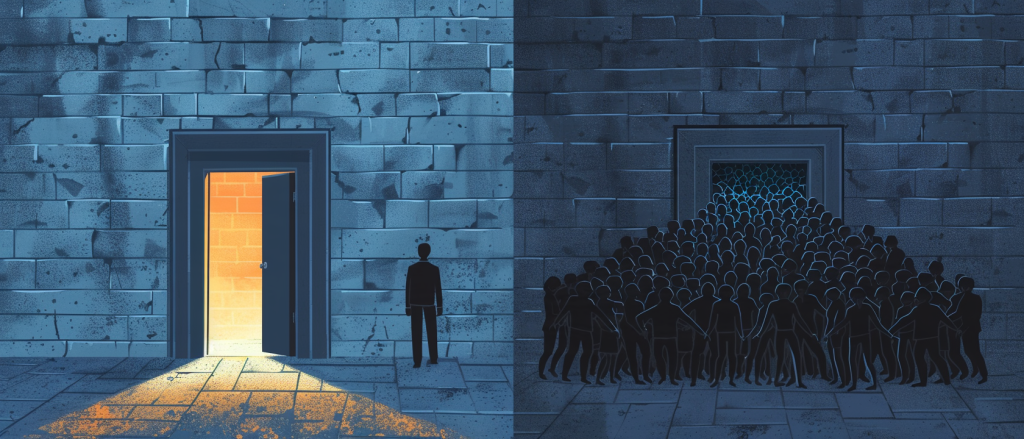
Artificial intelligence does not remove the hard part of enterprise work. It removes the easy part, building, and leaves an organization face to face with everything it was using the difficulty of building to avoid.
Every article in this series has circled the same quiet truth from a different direction: in large enterprise change, building the software was rarely the real problem. The real problems were knowing what was worth building, trusting the data underneath it, deciding who owned the ...
The Prototype Is the Requirement: Why Interviews Alone Stopped Being Enough
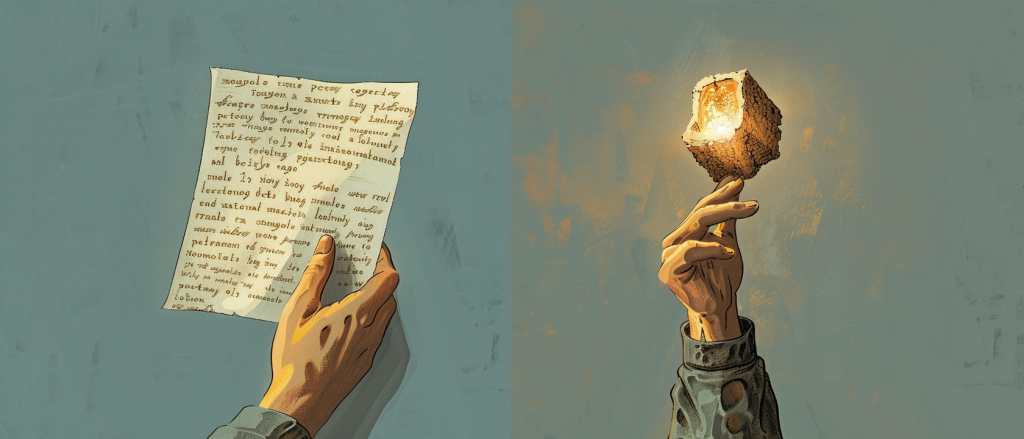
The old model asked people what they wanted and wrote it down. The new one shows them something and watches what they do. The difference is the difference between stated needs and real ones.
For most of the history of enterprise software, gathering requirements meant the same sequence of moves. An analyst or product owner interviewed stakeholders, ran workshops, and asked people what they needed. The answers were captured in a document, a requirements specification, a set of user stories, a ...